Cafeteria composting that fits the lunch rush — and the curriculum.
Cafeterias produce a lot of food waste in short windows. Sort stations at the tray return, clear signage, and a twice-monthly pickup keep the program running without adding work to nutrition staff.
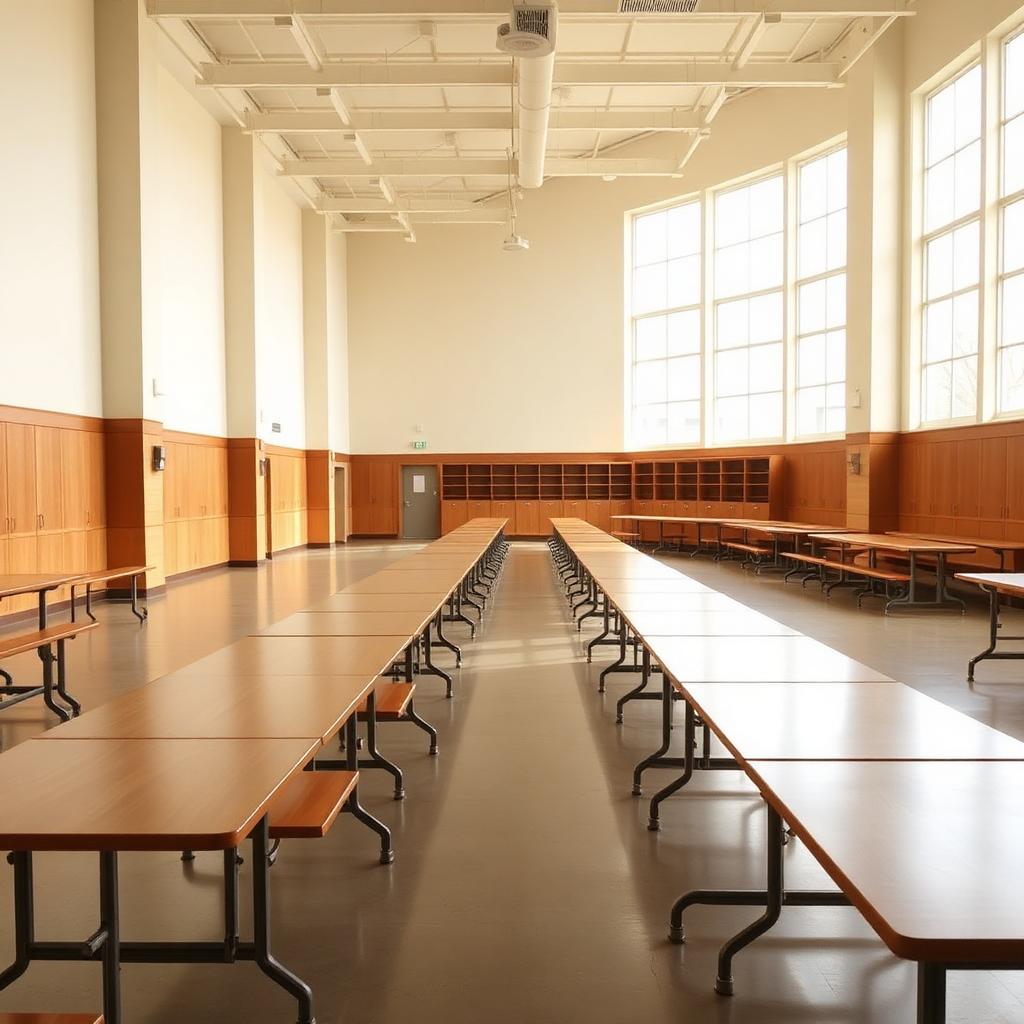
Pain points we hear about most.
Lunch-rush throughput
Sort stations at the tray return process hundreds of students in 20 minutes without backups.
Custodial workload
Sealed bins and a fixed pickup cadence mean no extra hauling for custodial staff.
District sustainability reporting
Diversion totals and signed letters fit straight into board reports and grant applications.
Clear in/out list — no guessing for your team.
We deliver bins with signage that matches this list, so sorting is one decision, not a flowchart.
Goes in
- All cafeteria food waste — including meat, dairy, and bones
- Milk-carton contents (empty cartons go to recycling)
- Soiled paper trays and napkins
- Fruit peels, apple cores, and uneaten produce
- Coffee grounds from staff lounges
- Garden-program plant trim
Keep out
- Milk cartons and juice boxes (recycle separately)
- Plastic sporks, straws, condiment packets
- "Compostable" plastic cutlery and cups
- Foil chip bags and snack wrappers
- Latex gloves
Bins and signage sized to your operation.
Tray-return sort station
Color-coded bins (compost / liquids / recycling / trash) with picture-based signage.
Kitchen prep totes
64-gal totes for nutrition staff during prep and pan-down.
Classroom mini-bins
Optional 5-gal classroom bins for snack waste in early-grade classrooms.
How it fits into your workflow.
- Step 1
Students sort at the tray return
Liquids first, compost next, trash last — same motion every day, taught in one assembly.
- Step 2
Nutrition staff add prep waste
Kitchen totes catch peels, trim, and pan-down during normal closing.
- Step 3
Custodial wheels bins to dock
On pickup day, totes go to the loading dock — same dock as the trash dumpster.
- Step 4
District gets reporting
Monthly diversion totals available for board reports, grant applications, and sustainability dashboards.
Outcomes you can measure.
Every pickup ships with a weight-ticket receipt. Need a signed diversion letter for an audit, franchisor, or ESG filing? Request one anytime — we pull the totals straight from those tickets.
- Clean tray-return stations even during the busiest lunch period.
- Diversion totals administrators can cite in board meetings and grant applications.
- A curriculum hook for science, garden, and sustainability programs.
- No service charges during summer break.
Rapid City code — RCMC 8.16.010
Cafeteria waste odor is an enumerated Rapid City nuisance.
RCMC 8.16.010(C) names food and vegetable matter that emits offensive odors as a public nuisance. Pulling cafeteria scraps into a sealed compost tote keeps the loading-dock dumpster from becoming the parent-pickup conversation you don't want.
See full compliance guideSpecific answers for educational facilities.
Same service, sized for your sector.
Compost for educational facilities — done right.
Tell us about your operation and we'll send back bin sizing, cadence, and pricing tailored to you.
