Divert the back room — produce, bakery, and deli — every week.
Grocery operations generate the most concentrated organic waste of any industry. Weekly composting clears the back room, cuts hauler costs, and keeps you compliant as more jurisdictions ban organics from landfills.
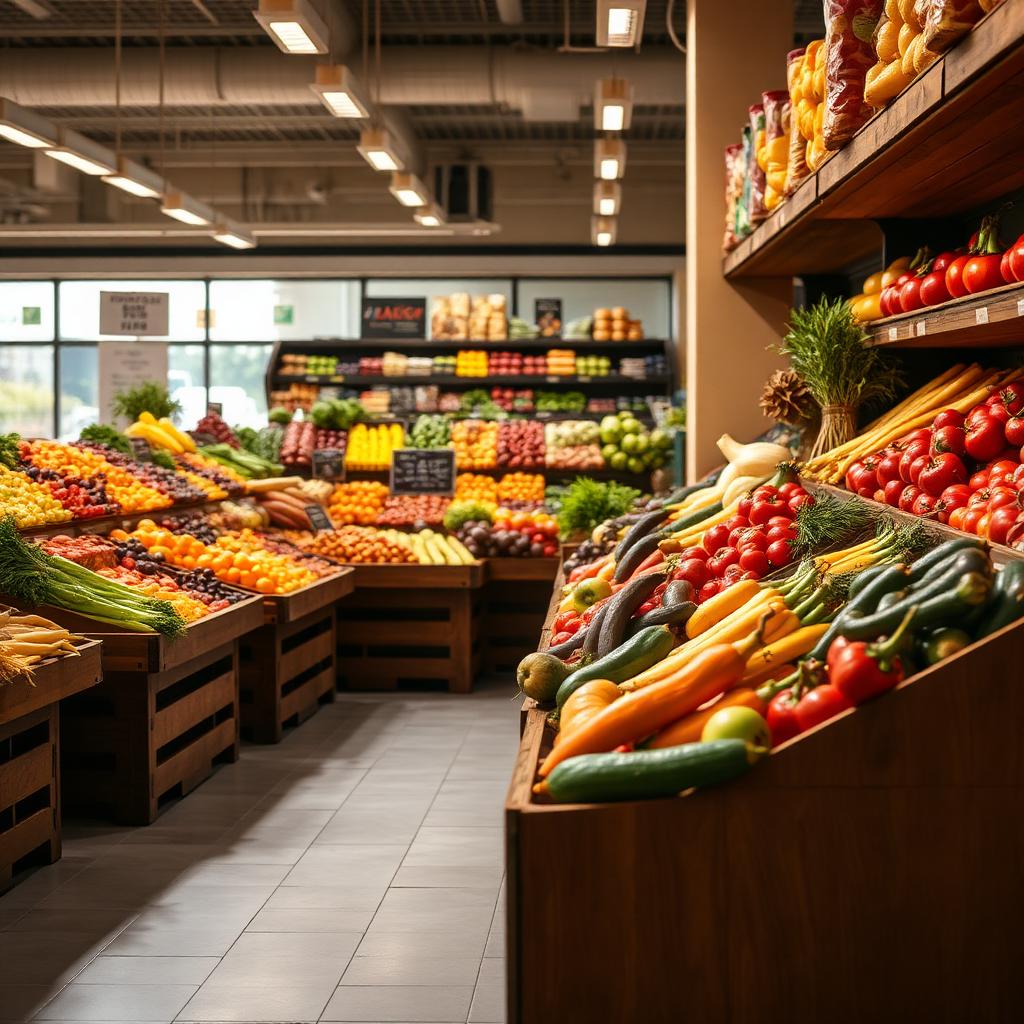
Pain points we hear about most.
Organic-waste bans
States and cities are increasingly forcing diversion. Get ahead of enforcement now.
Back-room sanitation
Open dumpsters of produce trim attract pests. Sealed compost bins fix it.
Multi-department sorting
Color-coded bins for produce, deli, bakery, and floral keep training simple.
Clear in/out list — no guessing for your team.
We deliver bins with signage that matches this list, so sorting is one decision, not a flowchart.
Goes in
- Produce trim, culls, and expired fruit/vegetables
- Bakery returns and day-old breads
- Deli scraps including meats, cheeses, and prepared foods
- Floral department trim and unsold cut flowers
- Coffee grounds from in-store cafes
- Soiled paper packaging and uncoated to-go containers
Keep out
- Plastic-wrapped or bagged product (depackage first)
- "Compostable" PLA cups and bioplastic packaging
- Cooking oil and rendered grease — keep with your FOG hauler
- Hazardous or recalled product (handle through normal protocols)
- Glass, metal, hard plastic
Bins and signage sized to your operation.
Department totes (64–96 gal)
One per department or a consolidated set in the back room — your call.
Roll-off or compactor
For high-volume stores, we can size up to a dedicated organics roll-off.
Department signage
Color-coded, English/Spanish, with a quick training sheet for new associates.
How it fits into your workflow.
- Step 1
Departments sort during stocking and prep
Produce trim, bakery returns, and deli scraps go into the department bin instead of the trash.
- Step 2
Back room consolidates
Closing crew rolls bins to the receiving area — same trip as breaking down the trash.
- Step 3
We pick up weekly
Bins or roll-off swapped on a fixed weekly cadence. Extra pickups available during peak produce season.
- Step 4
Compliance file builds itself
Every pickup adds a weight ticket. Request a signed diversion letter anytime an inspector or auditor asks.
Outcomes you can measure.
Every pickup ships with a weight-ticket receipt. Need a signed diversion letter for an audit, franchisor, or ESG filing? Request one anytime — we pull the totals straight from those tickets.
- A defensible diversion record for city and state audits.
- Shrunken landfill pickups — fewer hauls and lower weight charges.
- Customer-facing sustainability claims you can actually back up.
- Audit-ready tonnage totals across all departments — letter on request.
Rapid City code — RCMC 8.16.010
Produce odor and rodent attraction are enumerated nuisances.
RCMC 8.16.010(C) names vegetable matter that emits offensive odors and waste that attracts rodents or pests as public nuisances. Pulling produce culls and bakery returns into sealed compost totes removes the heaviest, smelliest, most pest-attracting part of your dumpster.
See full compliance guideSpecific answers for grocery stores.
Same service, sized for your sector.
Compost for grocery stores — done right.
Tell us about your operation and we'll send back bin sizing, cadence, and pricing tailored to you.
