Composting that fits the line, the bar, and the prep table.
Food waste is the densest, heaviest part of restaurant trash. Diverting it weekly shrinks your hauler bill, kills dumpster smell, and gives you something real to say about sustainability.
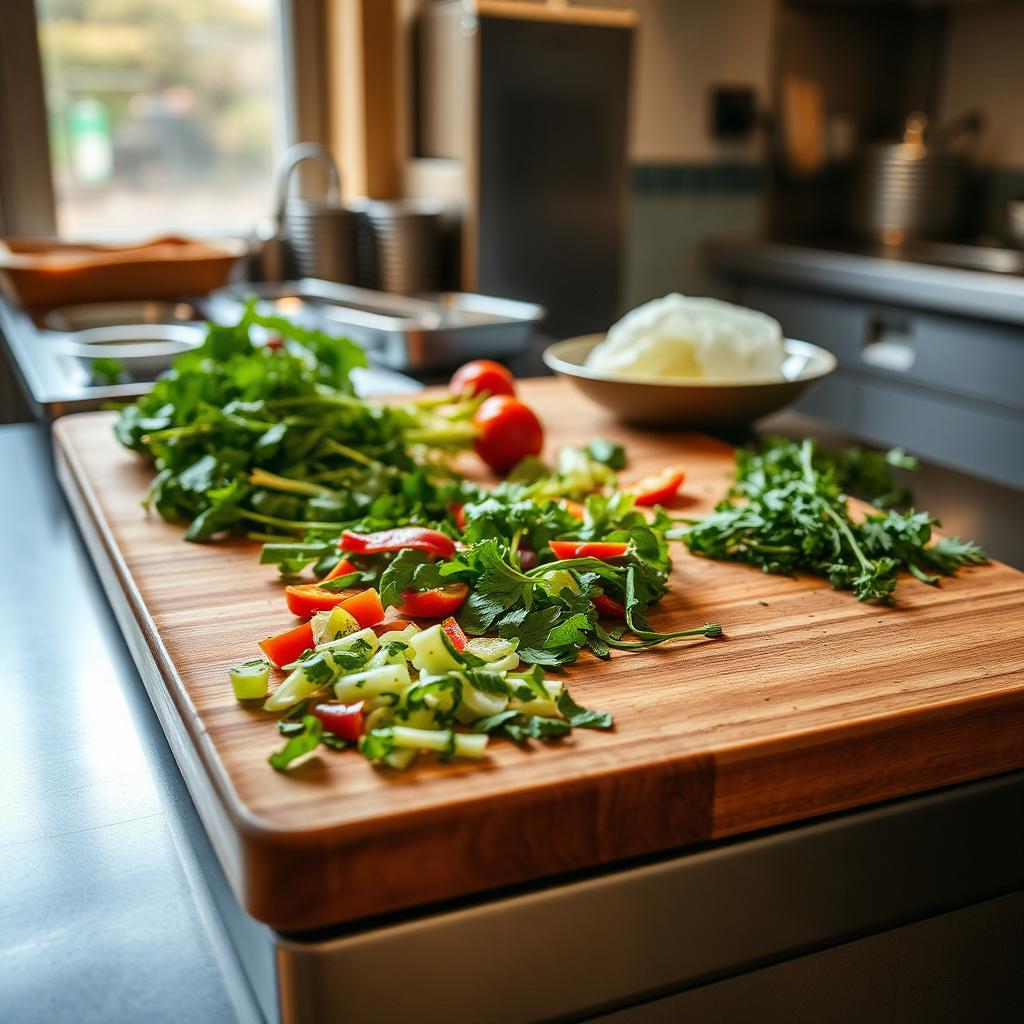
Pain points we hear about most.
Overweight dumpster penalties
Heavy food scraps trigger surprise fees on every pickup. Diversion eliminates them.
Pests and odors
Sealed, lined compost bins keep flies, rodents, and back-door stench under control.
Prep-line speed
Color-coded bins make sorting one motion for cooks — no slowdown during a rush.
Clear in/out list — no guessing for your team.
We deliver bins with signage that matches this list, so sorting is one decision, not a flowchart.
Goes in
- All food prep scraps — produce trim, peels, cores, stems
- Plate scrapings, including meat, bones, and dairy
- Coffee grounds, filters, tea bags
- Bread, pastries, expired dry goods
- Soiled paper napkins, paper towels, uncoated paper to-go containers
- Greasy pizza boxes (broken down)
Keep out
- Liquid fats, oils, and grease — keep with your FOG hauler
- Plastics, glass, metal, foil
- "Compostable" plastics and PLA cups (don't break down in commercial composting)
- Glove and PPE waste
- Cigarette butts
Bins and signage sized to your operation.
Under-counter bins (4–7 gal)
For prep stations, dish, and bar. Sealed lids, easy to lift and rinse.
Wheeled totes (32–64 gal)
Back-of-house collection, swapped clean at every pickup.
Signage + staff guide
Laminated in/out posters and a one-page training sheet for new hires.
How it fits into your workflow.
- Step 1
Prep & dish sort as they go
Scraps drop into the under-counter bin, same motion as scraping into the trash.
- Step 2
BOH consolidates at close
Bins empty into the wheeled tote in the back. Liners go into the tote, not a separate trash bag.
- Step 3
We swap the tote
On your scheduled pickup day, we pull the full tote and leave a clean one. No hosing required.
- Step 4
Receipt hits your inbox
Weight, bins serviced, and month-to-date totals, emailed to your billing contact.
Outcomes you can measure.
Every pickup ships with a weight-ticket receipt. Need a signed diversion letter for an audit, franchisor, or ESG filing? Request one anytime — we pull the totals straight from those tickets.
- Smaller or less-frequent landfill pickups, billed lower each month.
- A 'We Compost' window decal and verified pounds-diverted you can post.
- ESG-ready diversion totals for restaurant groups managing multiple locations.
- Compliance with organic-waste bans where they apply.
Rapid City code — RCMC 8.16.010
Grease, FOG, and back-door odor are exactly what 8.16.010 targets.
Rapid City's nuisance code calls out uncontained oil, grease, and fat — plus vegetable matter that emits offensive odors. A scheduled compost pickup keeps food scraps out of your dumpster (and off the pavement) so neither one becomes a citation.
See full compliance guideSpecific answers for restaurants.
Same service, sized for your sector.
Compost for restaurants — done right.
Tell us about your operation and we'll send back bin sizing, cadence, and pricing tailored to you.