Production-scale diversion, documented down to the pound.
Processing floors generate organics by the pallet — trim, QA rejects, expired inventory, and off-spec batches. We size bins to your throughput and pick up on a schedule that keeps the dock clear.
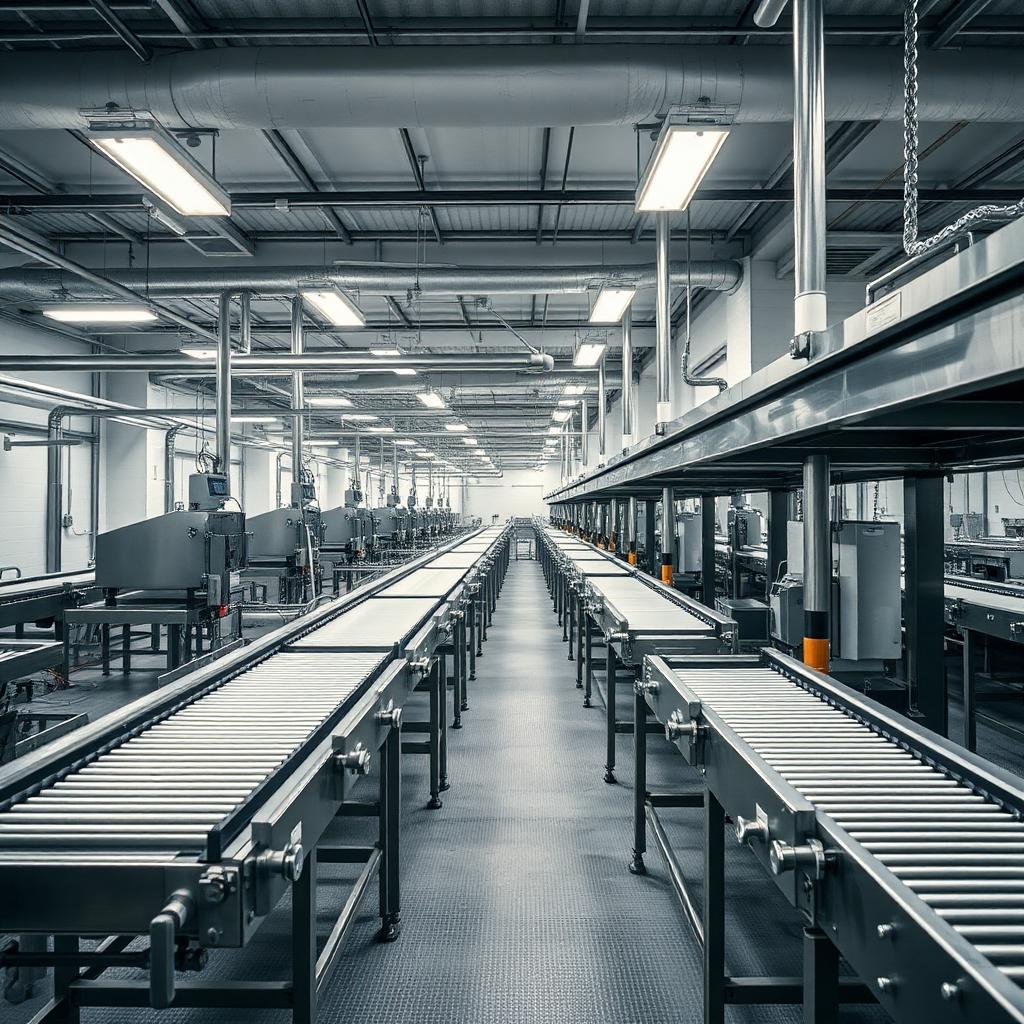
Pain points we hear about most.
High-volume, heavy loads
Compactor and dumpster weight fees add up fast on dense food waste. Diversion cuts the bill at the source.
Audit and customer scrutiny
Retail and foodservice buyers ask how you handle organics. We supply the weight tickets and on-demand diversion letters to answer them.
Sanitation and pest control
Sealed bins on a tight cadence keep the dock cleaner than a shared trash compactor ever will.
Clear in/out list — no guessing for your team.
We deliver bins with signage that matches this list, so sorting is one decision, not a flowchart.
Goes in
- Production line trim and scrap
- QA rejects and off-spec batches
- Expired or near-expired inventory (depackaged)
- Returned and recalled finished goods (depackaged)
- Spent grain, mash, and pulp from beverage and dairy lines
- Soiled paper packaging and uncoated cardboard
Keep out
- Packaged product (unless depackaging is part of the pickup scope)
- Cleaning chemicals and CIP waste
- Plastic film, shrink wrap, strapping
- Metal, glass, hard plastic containers
- FOG and grease — coordinate with your FOG hauler
Bins and signage sized to your operation.
Line-side totes (64–96 gal)
Sealed wheeled totes positioned at trim and reject collection points.
Gaylords & dump-hoppers
For palletized scrap and high-volume reject streams.
Dedicated roll-off
For very high throughput, we route a dedicated organics roll-off on a fixed cadence.
How it fits into your workflow.
- Step 1
Line operators fill totes during run
Trim and reject drop into line-side totes — same motion as the existing scrap bin.
- Step 2
Forklift moves to dock
Full totes or gaylords stage at the dock on your normal end-of-shift schedule.
- Step 3
We swap on a fixed cadence
Weekly, twice weekly, or daily — sized to your throughput. CIP-compatible bins on request.
- Step 4
Audit file builds itself
Every pickup adds a scale-ticket entry to your account. Diversion letters generated on demand for SQF, BRC, and customer scorecards.
Outcomes you can measure.
Every pickup ships with a weight-ticket receipt. Need a signed diversion letter for an audit, franchisor, or ESG filing? Request one anytime — we pull the totals straight from those tickets.
- Right-sized bins matched to line output, from totes to roll-offs.
- Per-pickup weight tickets plus on-demand pounds-diverted letters for ESG and customer scorecards.
- Compliance with state and municipal organic-waste bans.
- A documented diversion stream that strengthens SQF, BRC, and retailer audits.
Rapid City code — RCMC 8.16.010
Process waste, odor, and ground contamination are all enumerated.
RCMC 8.16.010(C) covers vegetable matter that emits offensive odors, uncontained oil and grease, and any ground area negatively impacted by them. A scheduled organics pickup keeps process trimmings and rework material moving off-site in sealed equipment before it shows up in a neighbor complaint.
See full compliance guideSpecific answers for food manufacturers.
Same service, sized for your sector.
Compost for food manufacturers — done right.
Tell us about your operation and we'll send back bin sizing, cadence, and pricing tailored to you.